 Customize the display
Adjust the colors to ensure sufficient contrast.

Residency for sound creation and multiphonics writing, installation modeling.
As part of the exhibitionCe que la Mer Garde (What the Sea Holds) at the Centre de la Vieille Charité, certified as the Year of the Mediterranean by the Institut Français 2026.
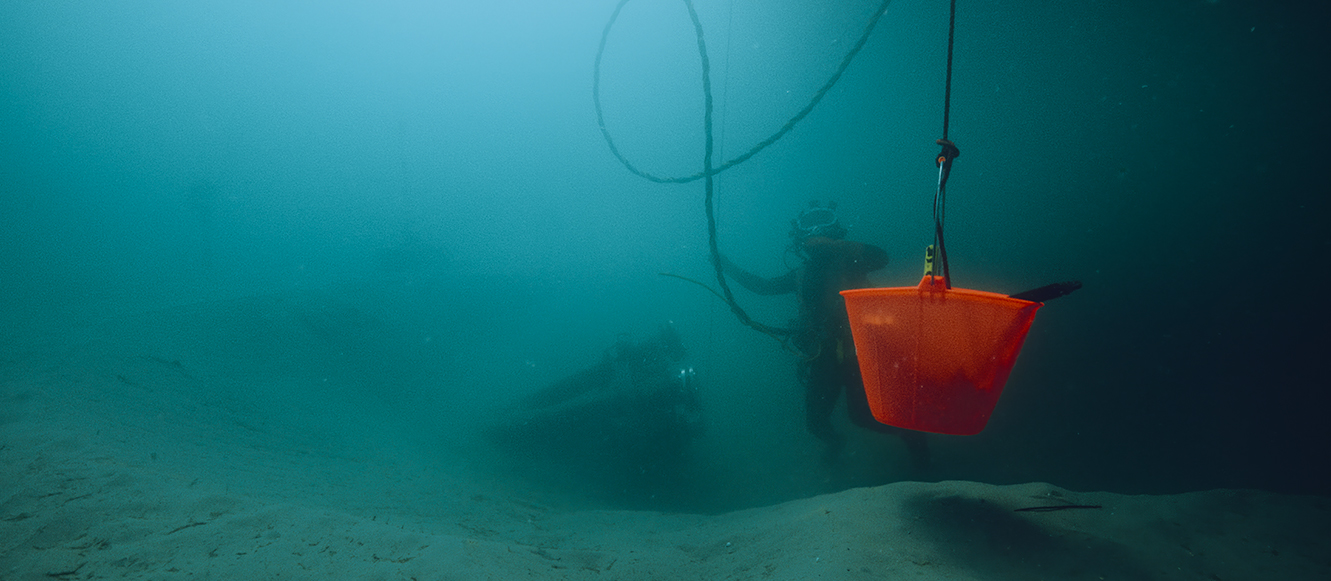
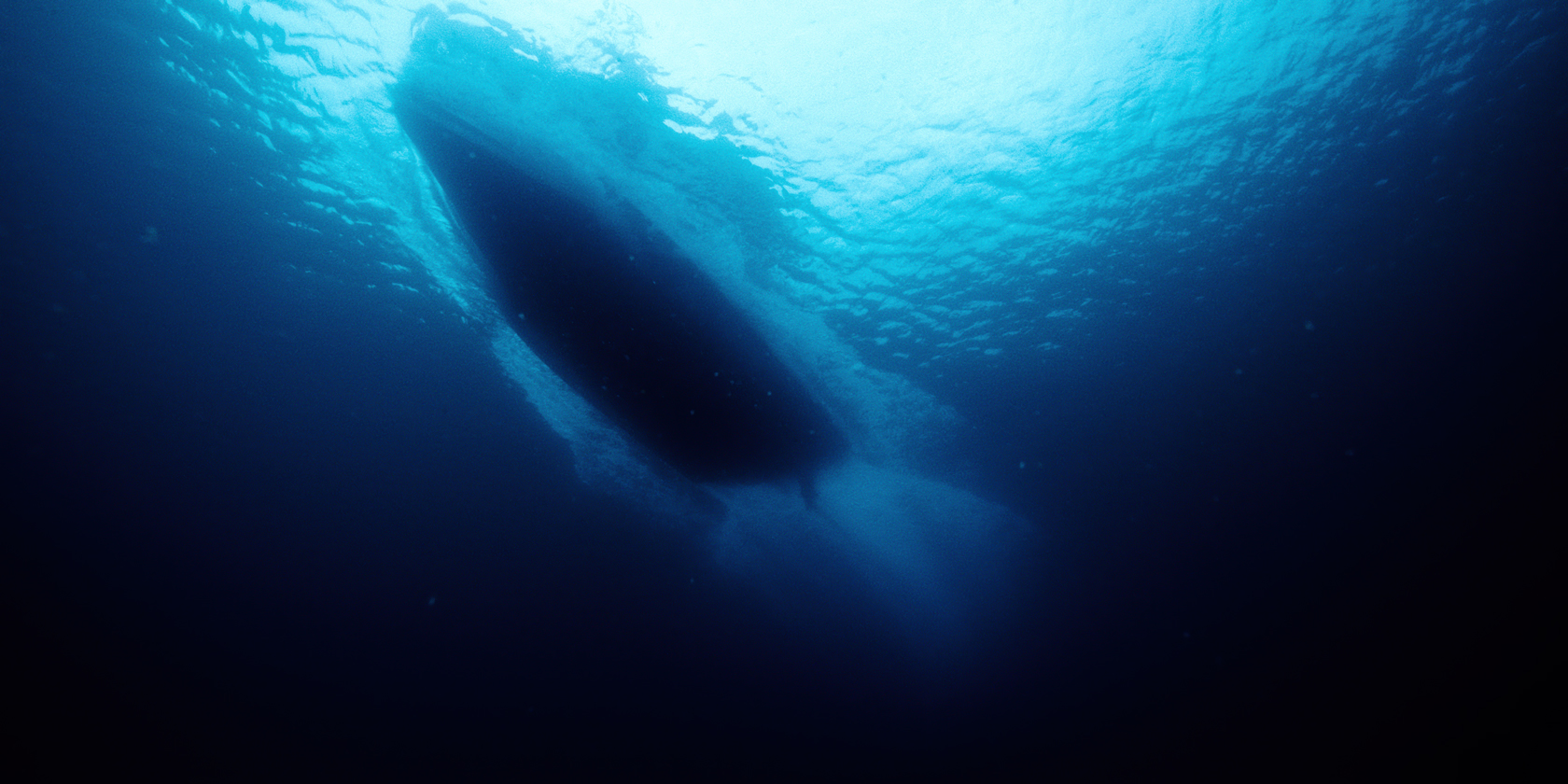
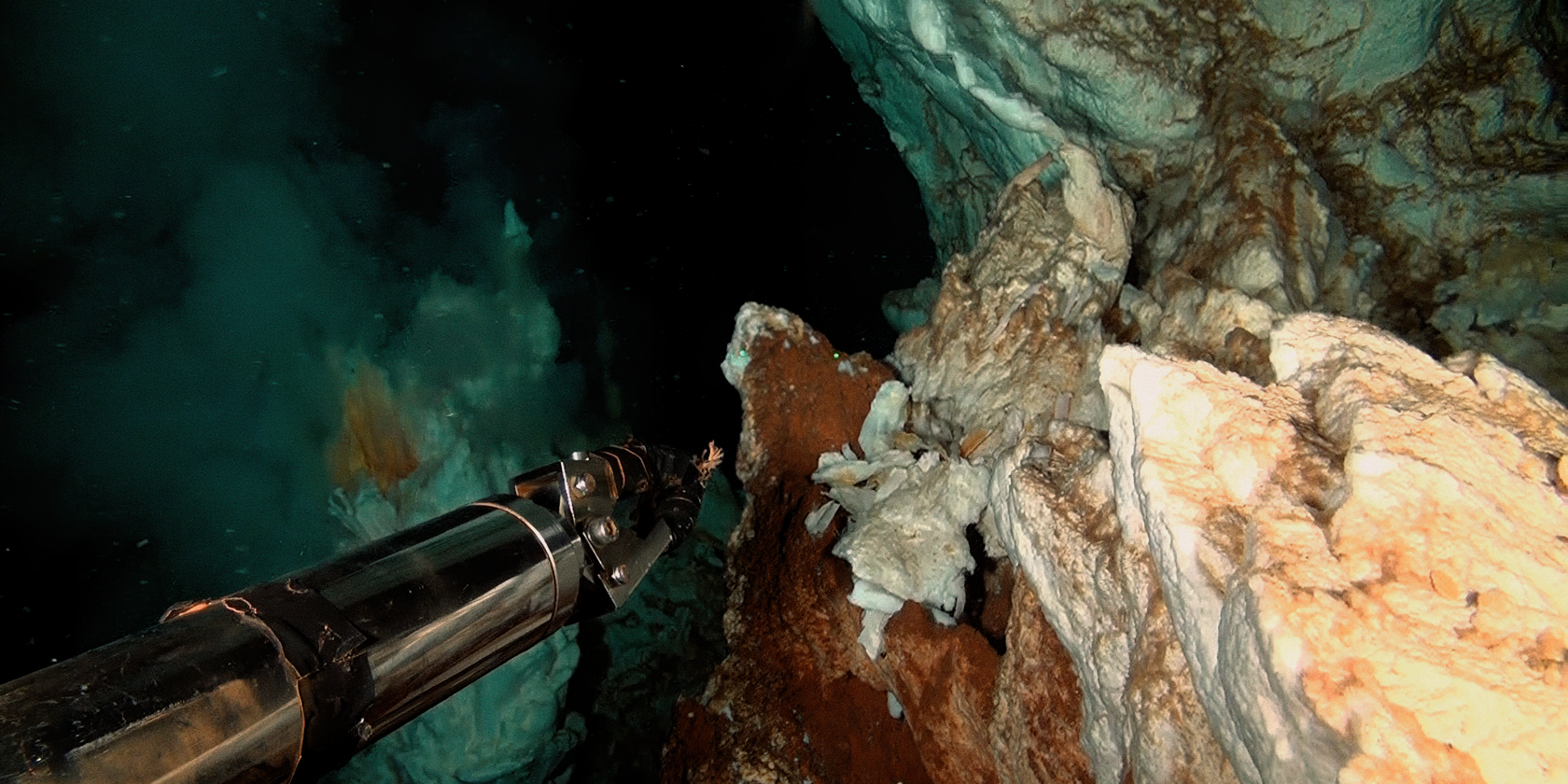
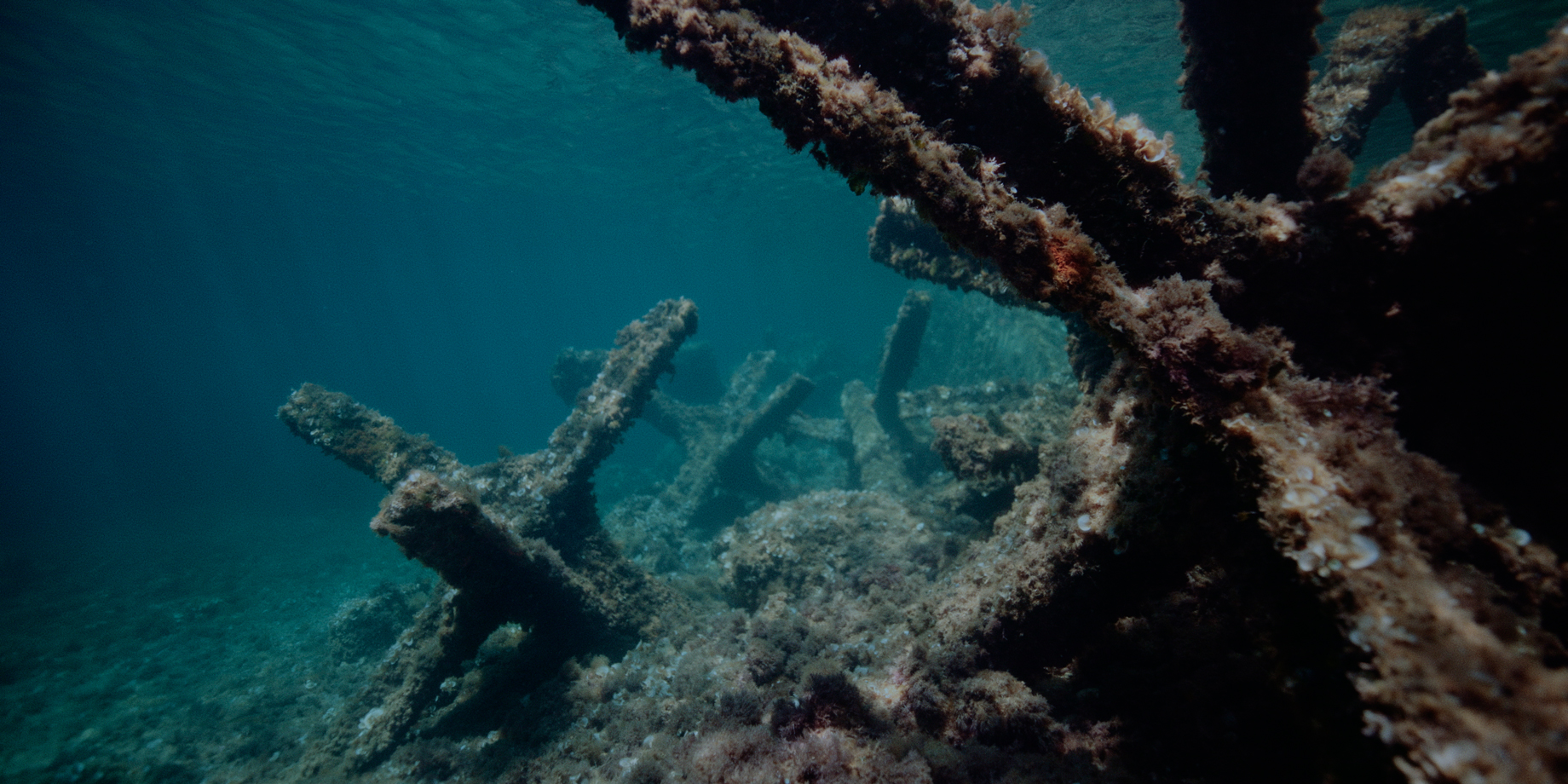
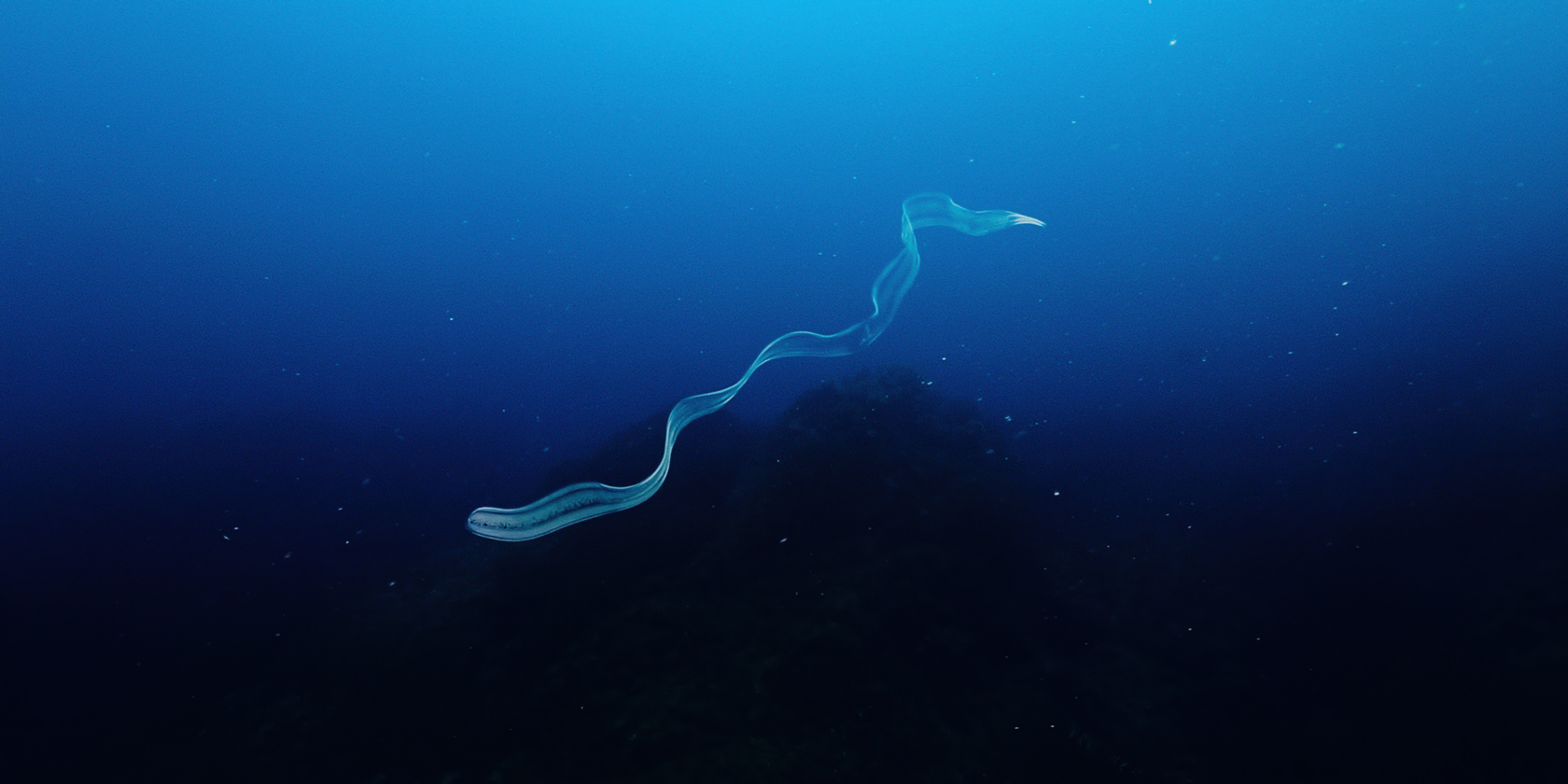
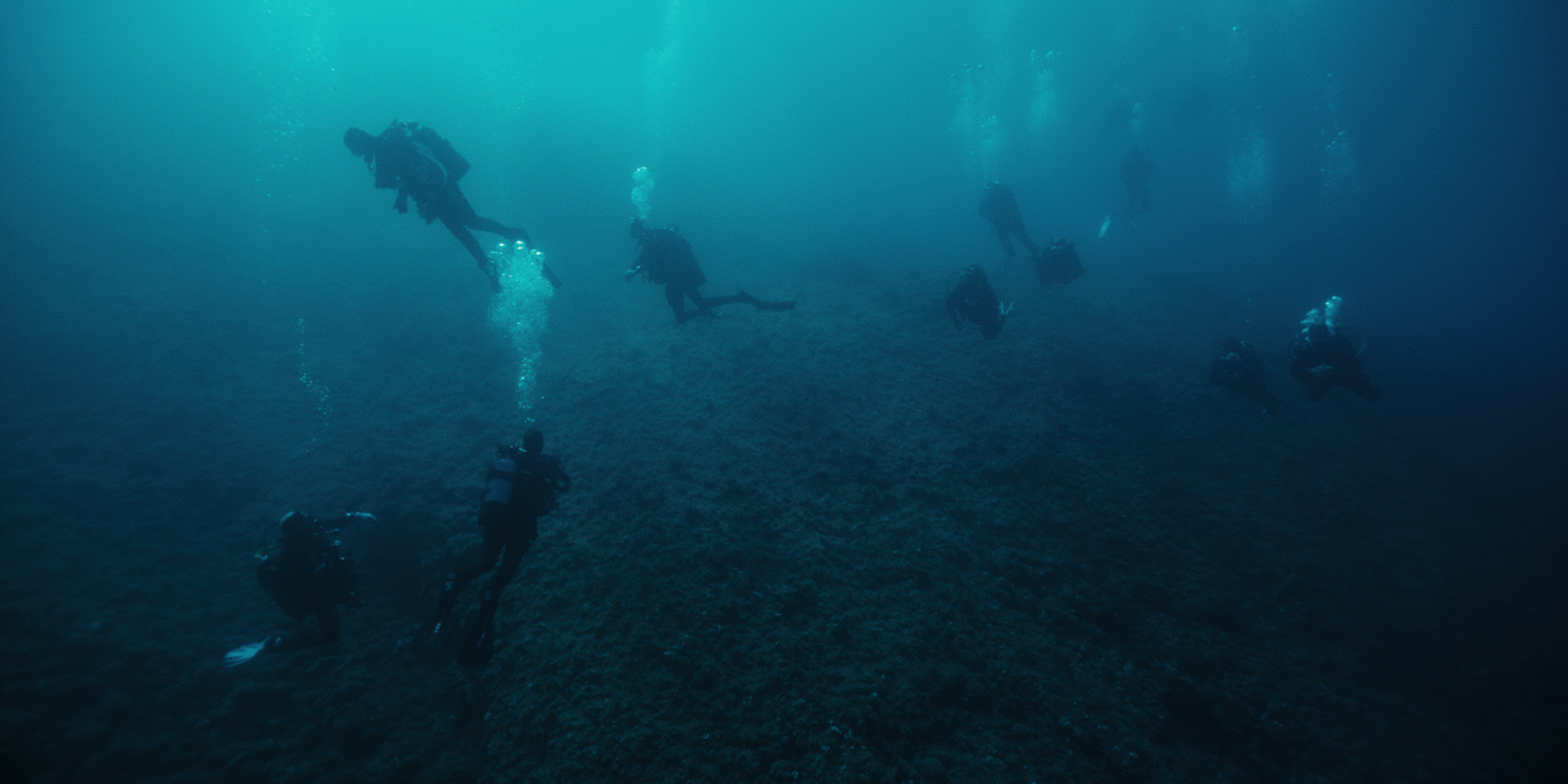
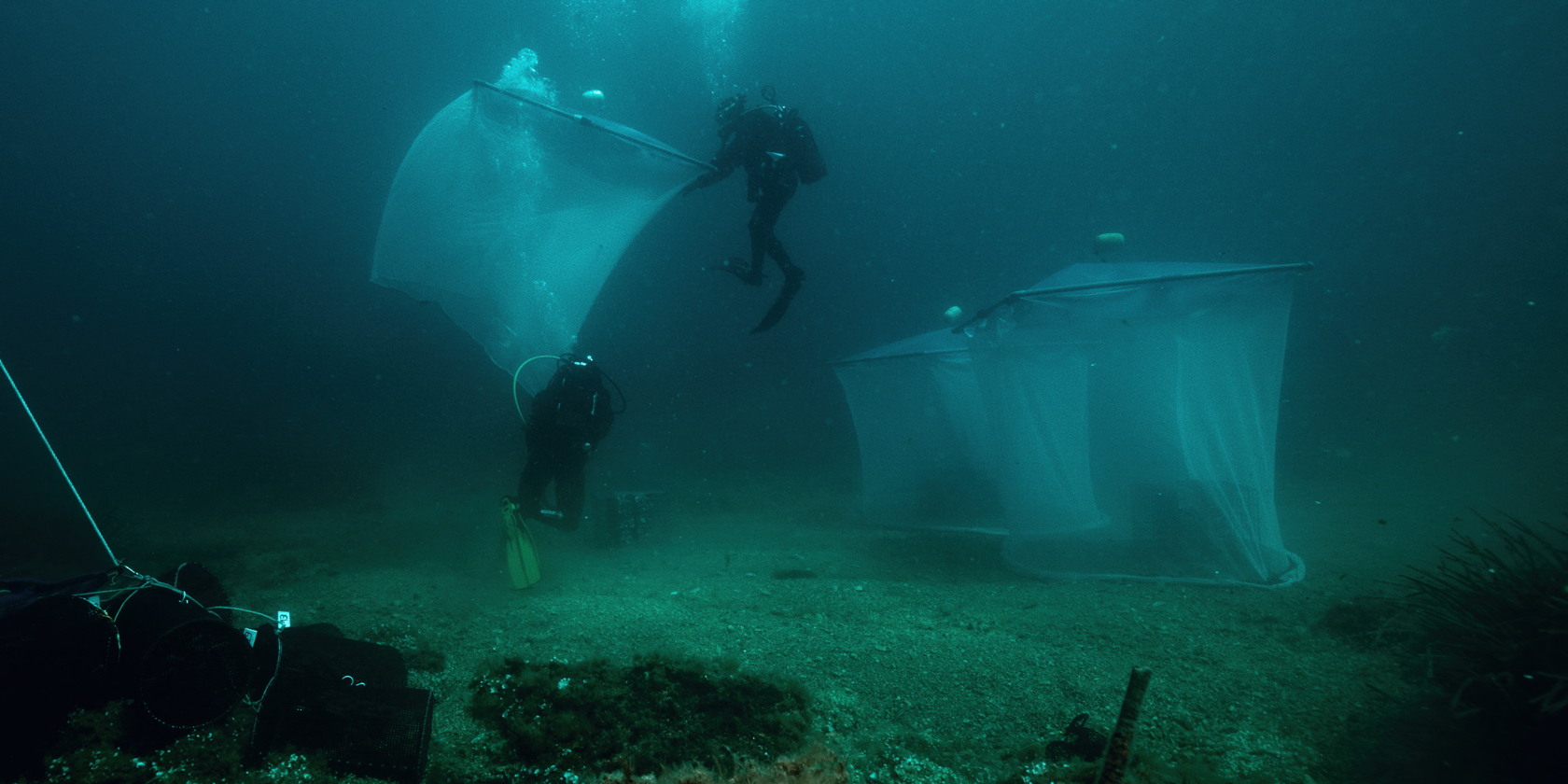
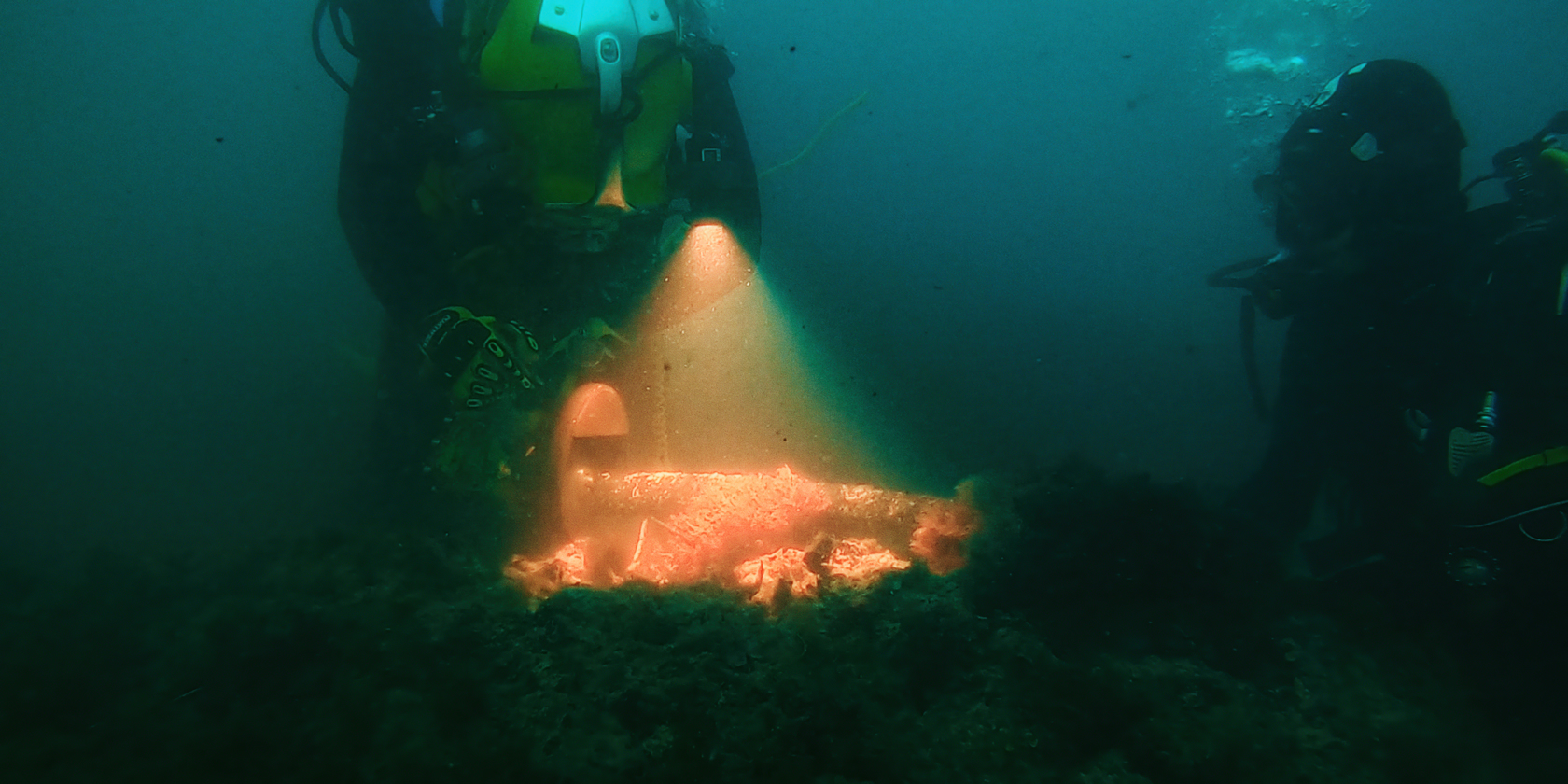
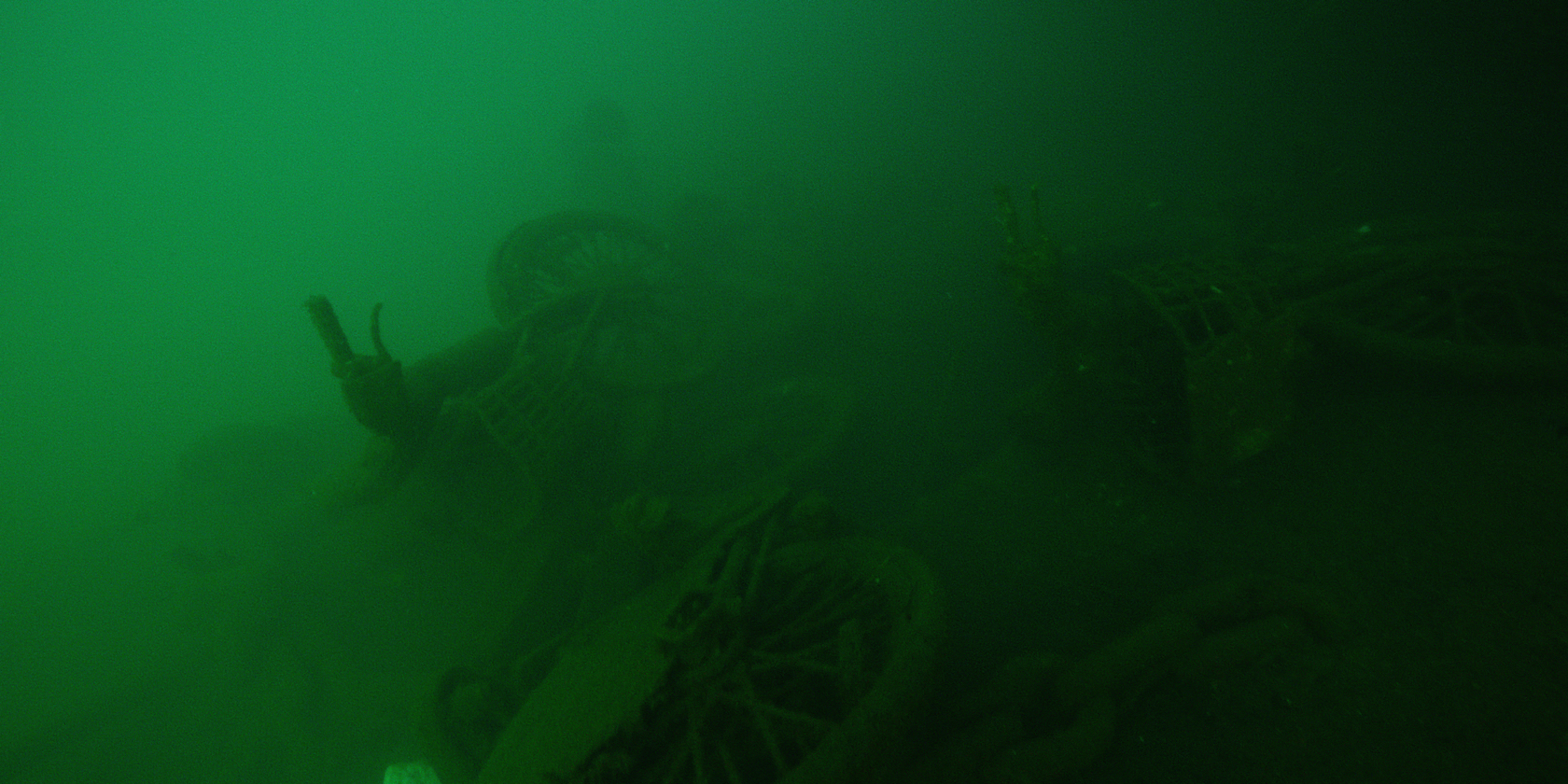
Beneath the Mediterranean horizon, a changing world is revealed, fragile and resilient, untouchable and irreversibly transformed. In the depths, marine life and human presence intertwine: cargo ships rumble on the surface, cables and pipelines run along the seabed, fishing nets clog vast expanses of water, and strange divers strive to repair the damage.
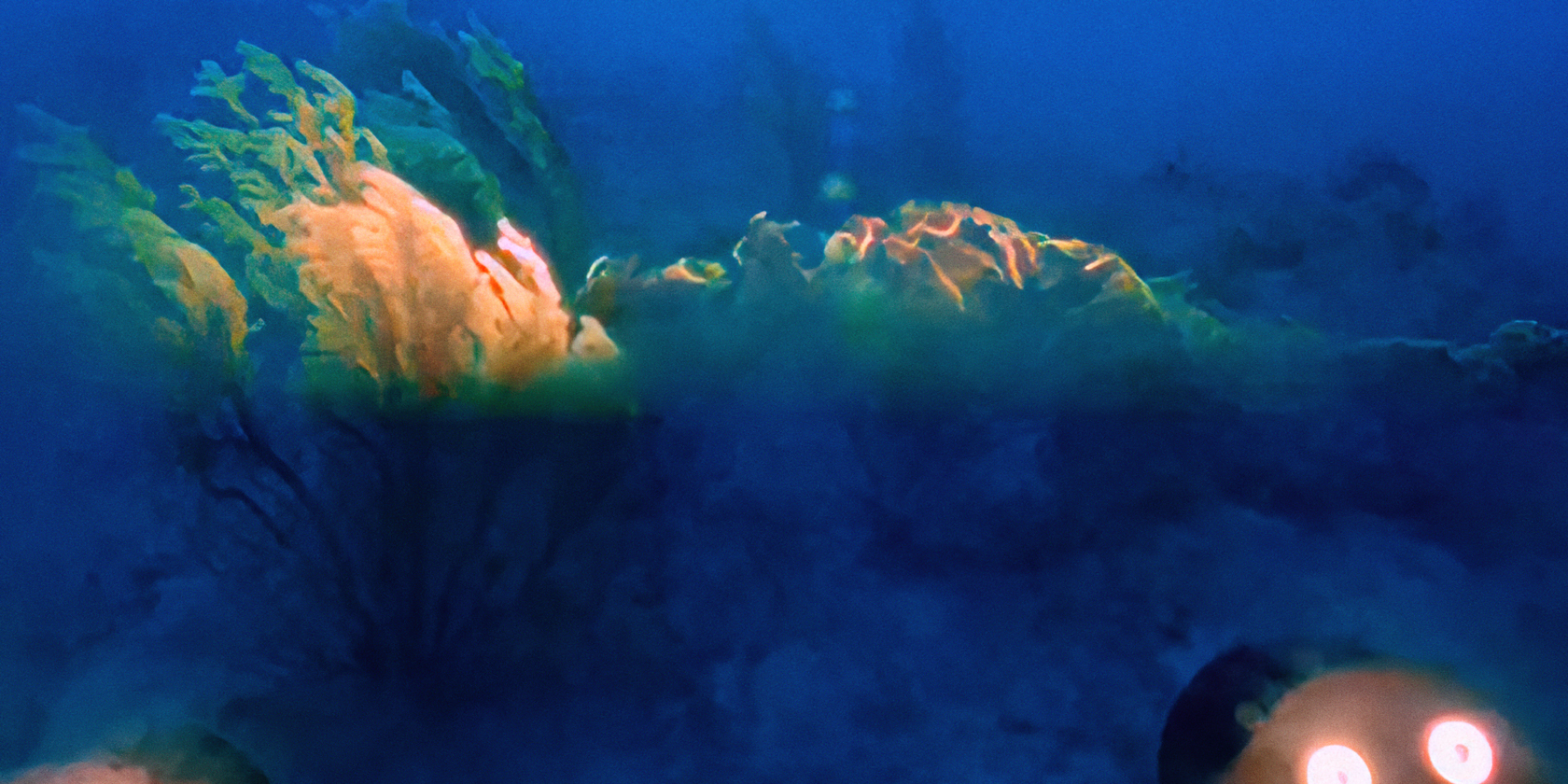
This multimodal installation transports viewers into a fluid, turbulent world in motion, where the senses and the body are disoriented. Video fragments and spatialized sounds animate an elusive landscape where marine worlds and human presences discreetly hybridize. From this wordless experience, both critical and poetic, which blurs the landmarks of our earthly perceptions, a question emerges: who does the sea belong to and how should it be treated?
Mentions
As part of the exhibitionCe que la Mer Garde (What the Sea Holds) at the Centre de la Vieille Charité, labeled Year of the Mediterranean by the Institut Français 2026
Production
, La Fabrique des écritures ethnographiques (MMSH); Mujo
Partners
Norbert Elias Center; Institute of Ethnology and Social Anthropology/ANFAA Chair (IDEAS)
Support
MucemLab; Laboratoire d'anthropologie sociale (LAS); Institut Méditerranéen d’Océanologie (MIO); Observatoire des Sciences de l’Univers Pythéas (OSU Pythéas); GMEM
A project funded by the Ocean and Climate research program (CNRS/IFREMER)
Broadcast
Opening on May 23, 2026, at the Centre de la Vieille Charité, Museum Night 2026
Installation open: May 24 to August 30, 2026
Biography(s)
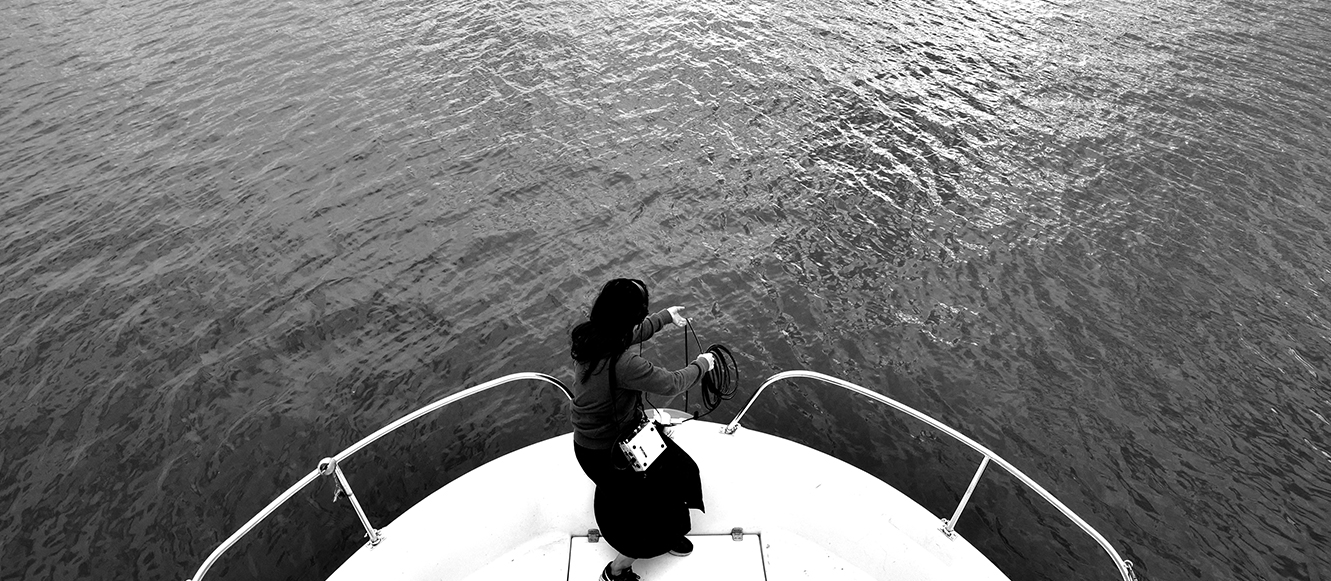
Julie Rousse
Sound artist and composer
Born in 1979 in Paris, lives and works in Marseille.
A passionate phonographer, Julie Rousse is always on the lookout for new sounds from the field, which she records with traditional or experimental sound capture systems, in selected and particular urban, natural or industrial contexts around the world.
Aurélie Darbouret
Sound director and doctoral student in anthropology
Aurélie Darbouret is an author and doctoral student in anthropology at the Laboratoire d’anthropologie sociale (LAS) and the Institut méditerranéen d’océanologie (MIO), where she is writing a thesis on perceptions, representations, materialities, and imaginaries of the marine world. Through her work, she experiments with alternative forms of writing in the social sciences, developing hybrid objects that combine textual, visual, and audio narratives, as well as multimodal exhibitions and public workshops. Previously, she has contributed to literary works, museum installations, and sound creations. MARE SAPIENS is her first film.
Jeff Silva
Director, anthropologist, researcher
Jeff Silva is an artist, filmmaker, and anthropologist whose work bridges creative practice and academic research. He holds a PhD in social anthropology from EHESS and is a postdoctoral researcher on the A*Midex ANFAA project (Alternative Narrative Forms in Audiovisual Anthropology) at Aix-Marseille University/IDEAS, and a member of La Fabrique des Écritures Ethnographiques (MMSH/CNRS). His work combines ethnography, cinema, and sound to explore the human and ecological impacts of conflict, climate change, and industrialization. His films include Balkan Rhapsodies: 78 Measures of War (2008), Ivan & Ivana (2011), Linefork (2016), Là où la terre (2018), and The Order of Things (2022), which have been screened internationally at MoMA, Visions du Réel, and the Viennale. Her current research extends to sound ethnography and collaborative projects exploring the changing relationships between humans and environments.
We the sea
Aurélie Darbouret, Jeff Silva
Residence
Mon. 23 — Fri. 27 March 2026
Distribution
Aurélie Darbouret
Jeff Silva
design, production
Pascal Catheland
-editor
Julie Rousse
, multiphonic sound creation
Juliette Bessette
, exhibition curator
Useful links